
Art of Bathing
A Tradition Shaped by History, Ritual, and Community
Art of Bathing
The tradition of bathing was started by the Sultan of Zanzibar, with his palaces housing traditional Zanzibar hammams. Bathing is as much a place to gather and talk as it is a place to relax and cleanse yourself.
Zanzibar’s rich history is deeply intertwined with its strategic location along ancient trade routes. One aspect of its cultural heritage is the tradition of hammams, which are public bathhouses or steam baths. The influence of hammams in Zanzibar can be traced back to its historical connections with various cultures, including Arab, Persian, Indian, and African.
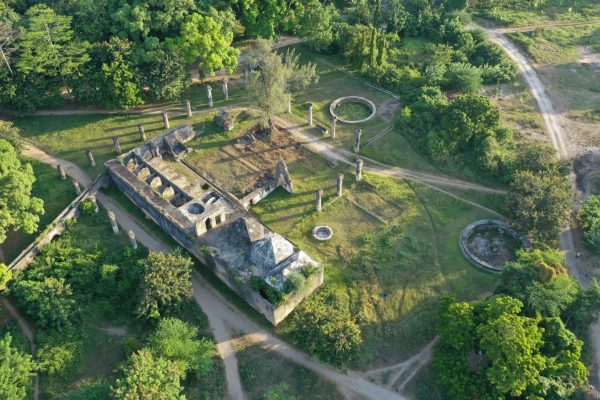
The Hamamni Baths were once part of a complex built by Sultan Barghash bin Said in the late 19th century. The complex served as a public bathhouse where locals could come to bathe and socialize. Sultan Barghash ibn Sa’id (r. 1870-1888) commissioned the bathhouse, the first public one in Zanzibar, and it was constructed in the Persian style by the Iranian architect Haji Gulam Hussein. The front rooms of the bath were used for changing, barbering, and socializing. A long hall leads to the warm room that is heated by underground hot-water aqueducts. The remaining rooms include hot and cold baths, toilets, private shaving areas, and a hexagonal pool and fountains. The original building also included an arcade and restaurant, but those sections have been converted into private residences.
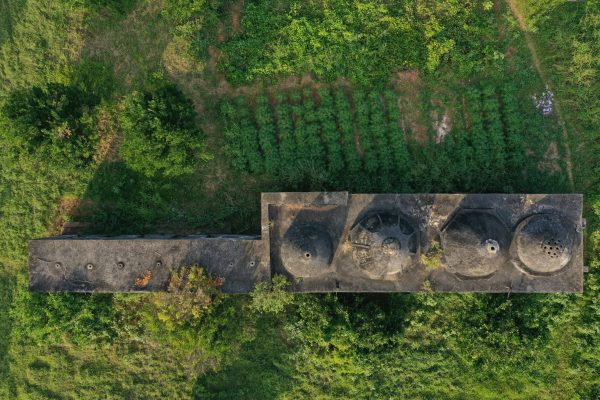
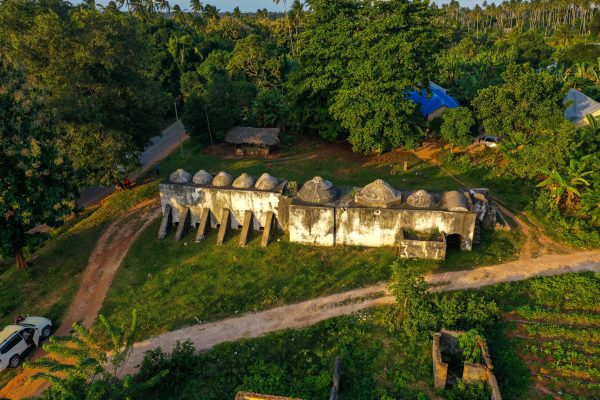
Similarly, the Kidichi Baths, located in Kidichi village, are historic baths that date back to the 19th century. They were commissioned by Sultan Sayyid Said bin Sultan, who ruled Zanzibar in the early 19th century. The Kidichi Baths served as a private bathing area for the sultan and his household. Constructed in the 1850s, these baths are an example of the architectural and engineering prowess of that era. The baths were designed with intricate details, including arabesque carvings and traditional Islamic architectural elements.
Commissioned by the Sultan
Sultan Sayyid Said bin Sultan, ruler of Zanzibar in the early 19th century, commissioned the Kidichi Baths as a private bathing retreat for his household.
19th-Century Origins
Constructed in the 1850s, the Kidichi Baths stand as a rare example of historic bathing culture preserved from Zanzibar’s royal past.
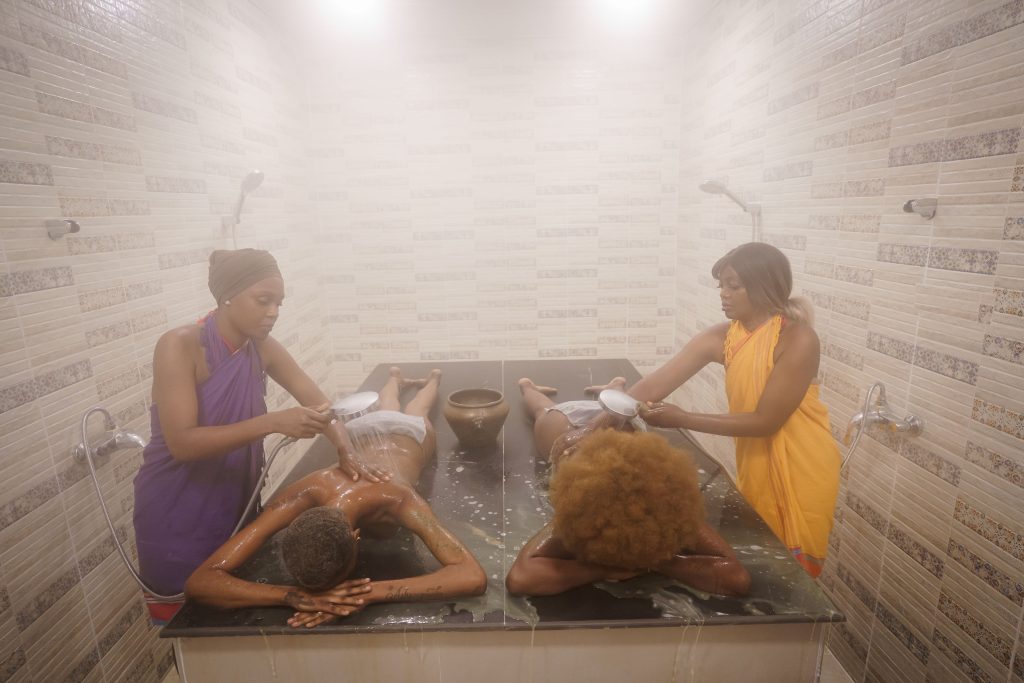
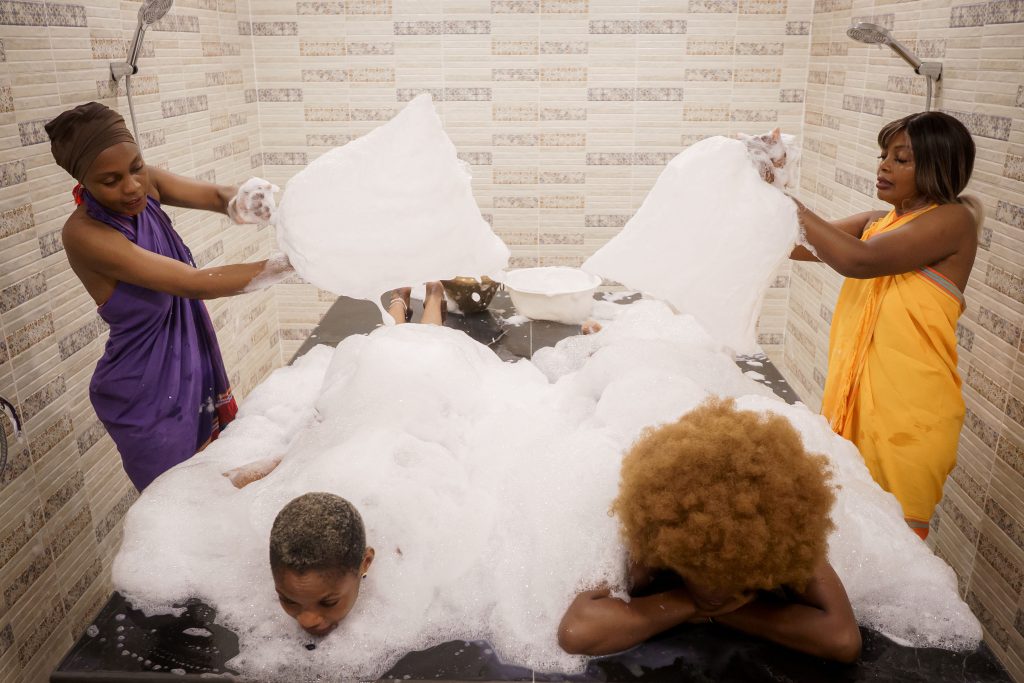
Zanzibar came under the control of the Sultanate of Oman in the 17th century, a period that significantly enriched the island’s cultural landscape and its bathhouse traditions. This cultural fabric became even more diverse with the arrival of Indian merchants and immigrants, who brought their own customs and hammam traditions to the islands. Today, the practice of hammams in Zanzibar remains a clear reflection of this diverse cultural heritage.
To safeguard and honor these old traditions, Hammam Zanzibar is located within a historic, UNESCO-listed building. Our sanctuary offers an authentic experience of the traditional bathing rituals once enjoyed by the sultans and the people of Zanzibar. By restoring these ancient practices, we provide a professional environment where guests can connect with the island’s history through a refined ritual of restoration and renewal.